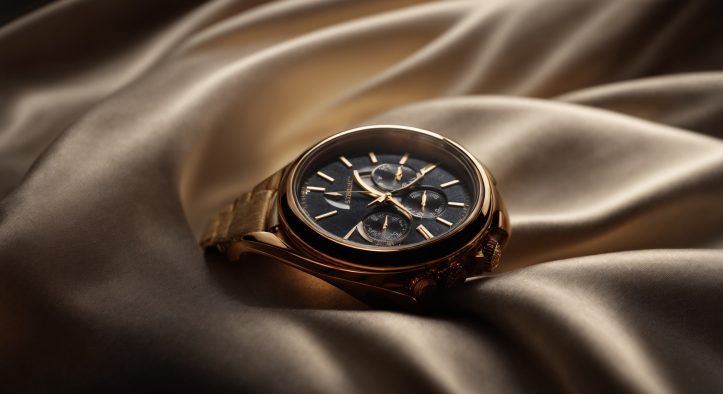
Bebimi - Investasi koleksi jam tangan klasik dan perhiasan mewah tengah naik daun sebagai bentuk investasi sekaligus gaya hidup. Koleksi…
Bebimi - Jam tangan dan perhiasan semakin menjadi simbol luxury and lifestyle masa kini yang tidak hanya berfungsi sebagai aksesori,…
Bebimi - Jam tangan dan perhiasan menjadi aksesori penting untuk menentukan karakter dan gaya seseorang secara keseluruhan. Memilih aksesori yang…
Bebimi - Memilih jam tangan dan perhiasan yang tepat sangat penting untuk menunjang penampilan dan menciptakan gaya elegan. Banyak orang…
Bebimi - Nilai investasi jam tangan kini menjadi perhatian utama bagi kolektor sekaligus mereka yang mengutamakan gaya hidup eksklusif modern.…
Bebimi - Jam tangan mewah terpopuler 2026 hadir dengan perpaduan desain klasik dan modern yang menarik minat para penggemar fashion…
Bebimi - Jam tangan mewah terpopuler 2026 kembali menjadi pusat perhatian para kolektor dan pecinta aksesori dengan perpaduan desain klasik…
Bebimi - Investasi jam tangan mewah semakin diminati karena model klasiknya yang nilainya terus meningkat menjadi aset yang sangat menguntungkan…
Bebimi - Tren jam tangan mewah tahun 2026 menunjukkan perpaduan unik antara desain klasik dan teknologi smart-watch yang semakin diminati…
This website uses cookies.
